A long time ago I wrote a piece about how people’s appreciation for music generally changes over time. I talked about how music is highly impactful on teenagers and young adults, but that most people stop discovering and valuing new music from their mid-thirties. At the time, I explained this because your brain connects music to important new experiences and ‘first times’ in your life, of which you’ll have plenty in your teens and twenties. Now, almost ten years later, I’m learning that there might be other factors at play which affect your appreciation of music: hormones.
In that piece, I also wrote that to continue appreciating new music when you’re getting older, you should ‘train your sensitivity as a listener: ‘do keep listening to new music, and you will keep on enjoying it.’ However, a few years ago, I noticed that I could not help but failing my own advice. My curiosity for discovering new music faded away, as well as my tendency to listen to music in general. I didn’t enjoy my weekly dance classes as much anymore, neither dancing in the club or going to concerts. I still went, because ‘these are the things I do in my life’, but without experiencing the fulfilment it used to give me. Moreover, I also lost my ability to compose and arrange music. After publishing my book, I wanted to fully dedicate my creativity to writing songs again. But whenever I attempted to create a melody or chord progression, music felt like a dormant language I once learned many years ago, but it didn’t make sense to me anymore.
Now it is true that I have been extremely fatigued as well from time the time, which I could blame for the loss of interest in dancing and up-tempo music. Due to the fatigue, I already resigned from performing concerts. But I was not prepared to give up on music in general. And yet, lying on the couch, unable to do anything, I neither couldn’t find solace in my most beloved downtempo albums. Even just listening to music had become intrusive and basically ‘too much’. Weirldy, I could still very well identify the type of music I used to like or would have bought in the past; I still recognized my preferences. But this was purely a cognitive awareness, I completely failed to connect with the music emotionally.
As you might understand, it took a while before I grasped what was going on. For someone who has built a great deal of their life around music, realizing that it has lost its emotional meaning, is somewhere on the brinks of alarming and heartbreaking. For some time, I didn’t even want to speak up about it, fearing that acknowledging what was going on would make the misery even more real. Luckily, I found out that I could still enjoy, to some extent, the craftsmanship and technique of playing music. So, I focused om studying soprano arias I used to sing and enjoyed my theremin lessons. Practicing my instruments, I was spinning fragile threads that delicately kept me connected me with what I once used to be passionate about.
Along the way, I found out what was going on with me. I’m in my late forties and in perimenopause, which means my hormone levels are drastically changing to ultimately find a new balance for the rest of my life. Whereas the loss of oestrogen and progesterone alone can be extremely impactful for certain individuals, I’m dealing with additional hormonal challenges: rapidly declining testosterone and insufficient cortisol. Now it is true that testosterone levels naturally and gradually decline with age in both men and women, without stirring up too much. When however these levels suddenly plummet to the floor, it can cause all kinds of physical problems, like extreme fatigue and muscle loss. I have been lucky to find the right specialist care for my condition and currently have replacement therapy for all my lost hormones.
Over the scope of two years, I gradually started to use one hormone after another, which has given me clear awareness of how each of them works in my brain and body. My experience with recovering from this in general is full story on its own, but right now I want to double click on how hormonal substitution recovered my relationship with music. And I believe that testosterone is the most musically gifted star in the hormonal orchestra.
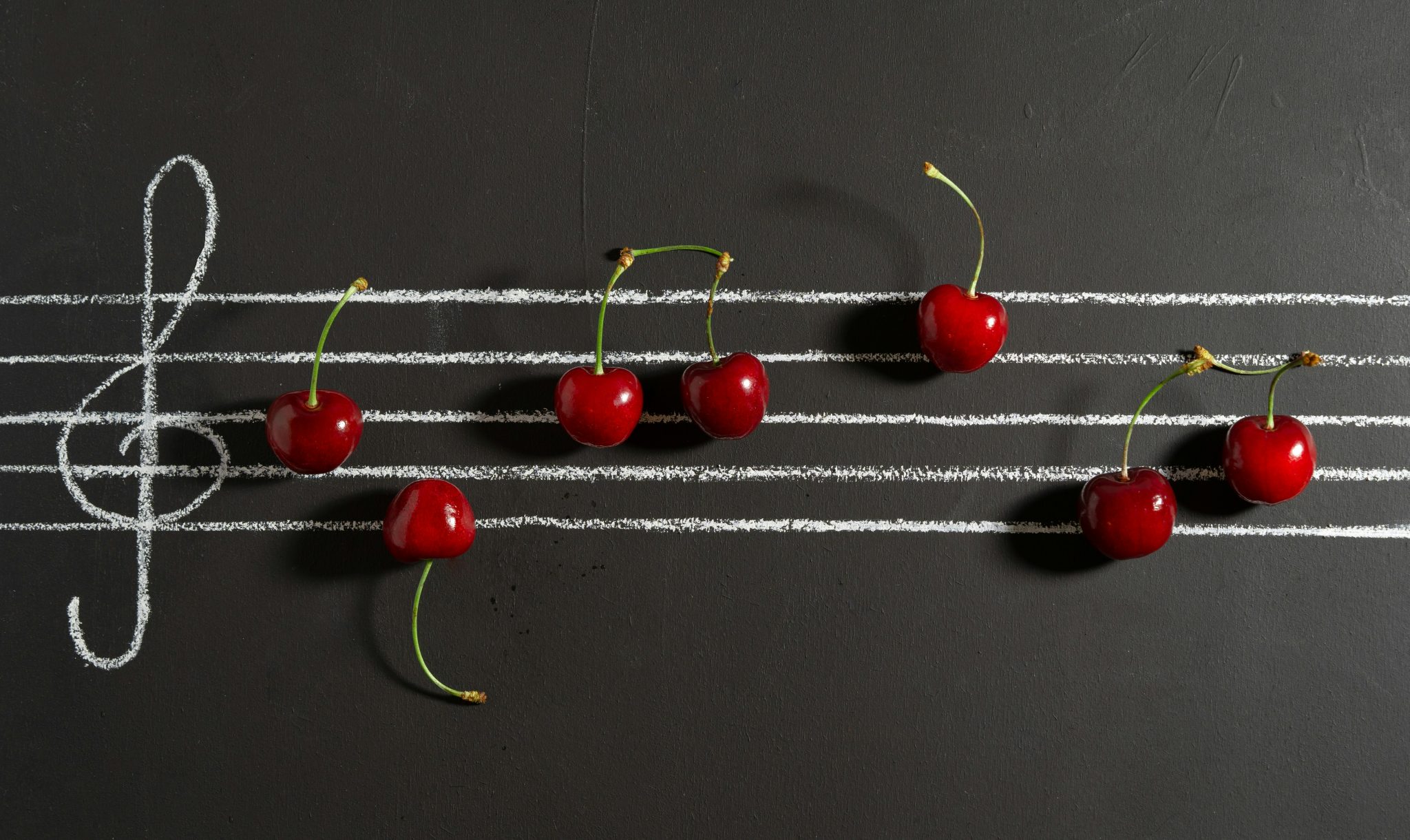
You might know testosterone as ‘the male hormone’ and oestrogen as the ’female hormone’, but their function is much more than a dichotomy. Women have three times more testosterone in their blood than oestrogen, and men generally have more oestrogen in their bodies than menopausal women, for instance. Testosterone is a steroid hormone that is indispensable for health, well-being and energy-output in both men and women. It is often connected to libido. Coming from the Latin word lubido, its meaning is broader than lust or sex drive and means desire, eagerness, longing. It is connected to lust for life in general, creative energy, and more specific: musical creativity.
Research supports the idea I expressed in my earlier piece, that it becomes harder to appreciate new music when you’re getting get older. Moreover, it says and that there is a connection with testosterone. Men and women usually reach a peak of musical talent from puberty, when testosterone is going through the roof. Interestingly, testosterone seems to enhance musical performance up to a certain level. Above this level, performance drops.
In one of the research projects performed on this subject, musical composers and instrumentalists were compared with nonmusicians on testosterone levels in saliva. They found surprising results: male composers attained significantly lower testosterone values than male instrumentalists and male nonmusicians. However, female composers had significantly higher testosterone values than female instrumentalists and female nonmusicians. The study concluded that musical composers of both sexes were physiologically highly androgynous, and that composers are more androgynous than performers.
Consequently, testosterone seems to have a complex relationship with music where both too high and too high levels are not optimal for creative ability. There seems to be a ‘testosterone sweet spot’ for the ultimate creative musical performance: high in women, low in men. And at least for men, testosterone seem to play a role as well in listening to music: males with lower testosterone value prefer to listen to what they described as ‘sophisticated’ musical styles like jazz and classical, whereas males with higher testosterone value prefer to listen to genres like heavy metal and ‘soft rock’.
As I started my testosterone replacement therapy, after a couple of months, I could feel my lost relationship with music starting to change again. I was still fatigued but gradually enjoyed putting music on in the house. I even found myself buying new tracks and albums, occasionally. At some point, I arranged a Christmas song and wrote a live looping composition. It felt like an important victory: I can still do it. Overall, my drive to create or listen to music is not as great as before, and I’m not getting as emotionally absorbed by music as I used to. Maybe it’ll ever come back to me fully, maybe it won’t. But right now, I greatly appreciate that, thanks to modern medicine, I have retrieved some sparkle of joy for music, which I thought I might have lost indefinitely. From here I will take one step at the time and see where it leads me.
Musical creativity and music appreciation are influenced by various factors, with hormones being only one piece of a highly complex puzzle. Moreover, how hormones change over the course of someone’s life is highly individual, as is someone’s sensitivity to hormones. What happened to me, might not happen to other music loving women in their forties. There are however quite some anecdotal stories by women who share my experience, to the point that they completely gave up their musical careers. Who would have thought their hormones were the ones to blame? I believe it is time to create more awareness on this subject.